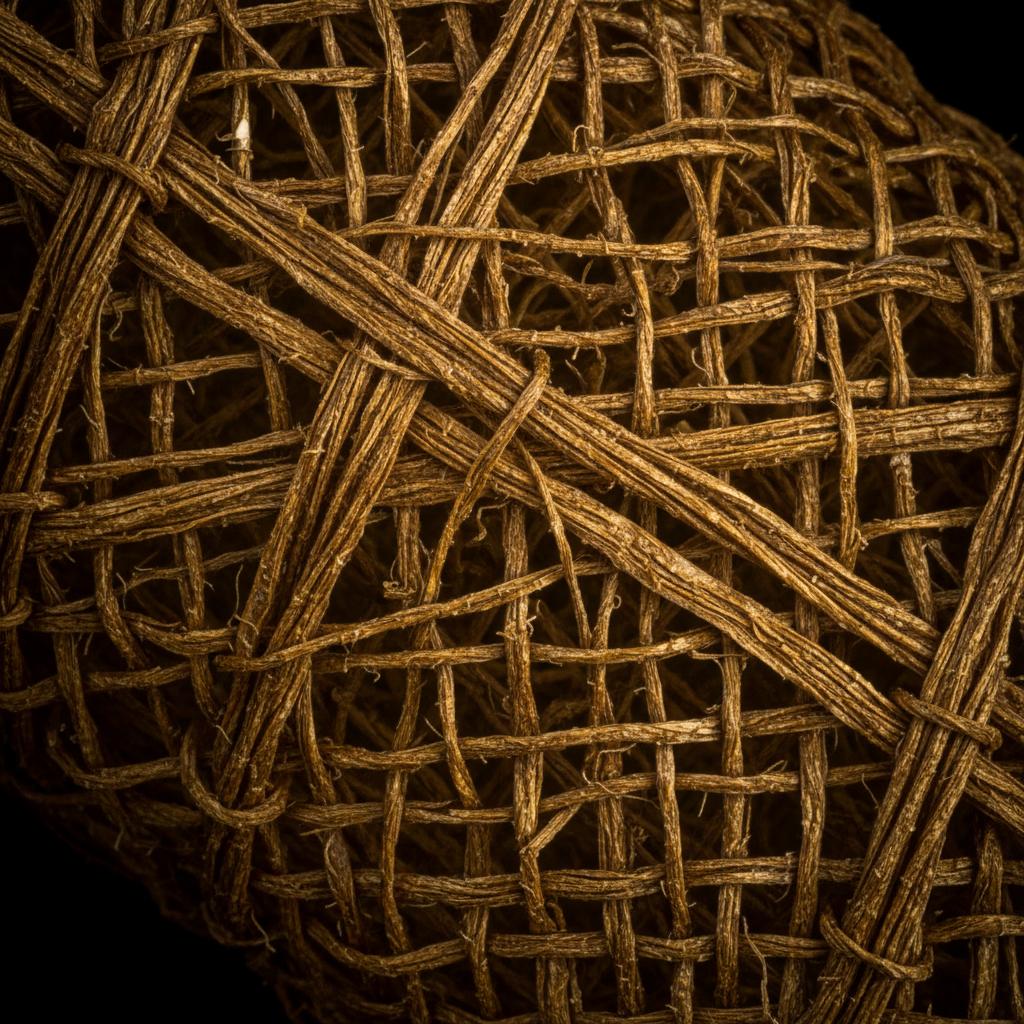
Hemp paper is paper made from the fibers of the industrial hemp plant instead of wood pulp from trees. That's the whole definition. Everything else — why it's stronger, why it nearly disappeared for a century, and why it's coming back — is the interesting part.
This guide covers what hemp paper actually is, how it's made, how it stacks up against tree paper, what it's used for, and where it's headed. No jargon, no greenwashing.
The short version
Paper is just cellulose fibers matted together. For the last ~150 years, almost all of those fibers have come from trees. But hemp was the original papermaking fiber — the first known paper, made in China around 200 BCE, was hemp. Hemp plants are loaded with cellulose (roughly 57% in the fiber, versus 40–50% in wood), and the fibers are far longer than wood fibers. Longer fibers tangle and bond more, which is why hemp paper is known for tear resistance and durability.
The catch isn't the paper — it's the supply chain. Trees got a 150-year head start on processing infrastructure. Hemp is rebuilding that infrastructure now, which is why hemp paper costs more today and why it's getting cheaper every year.
How hemp paper is made
The process is the same core papermaking used for wood pulp — hemp is just the feedstock:
1. Separation. The hemp stalk has two parts: the long, strong outer bast fibers and the woody inner core called hurd. These get separated. Bast makes stronger, finer paper; hurd makes bulkier paper; many papers blend the two.
2. Pulping. The fiber is broken down into individual cellulose fibers, usually mechanically and/or with a chemical process. Hemp needs far less aggressive chemical treatment than wood because it naturally contains less lignin (the glue-like compound that has to be stripped out of wood).
3. Cleaning and forming. The pulp is washed, screened, and — if a bright white sheet is wanted — brightened. Then it's spread into a thin slurry, drained on a screen, pressed to remove water, and dried into sheets or rolls.
4. Converting. From there it becomes whatever it's destined to be: grocery bags, cartons, paperboard, stationery, or specialty papers.
Hemp paper vs. tree paper
Here's the honest side-by-side. For the full breakdown, see our deep dive on the true cost of tree paper vs. hemp paper.
Fiber length. Hemp bast fibers can run many times longer than wood fibers. Longer fibers bond more tightly, which is why hemp paper holds up to tearing and handles moisture better than thin tree-kraft.
Growth speed. Hemp reaches harvest in about 120 days. The trees used for paper take roughly 20 to 80 years. That single fact changes the entire sustainability math.
Land use. Over a 20-year window, one acre of hemp can produce as much paper fiber as several acres of forest, because hemp can be harvested every season.
Chemistry. Hemp's lower lignin content means less harsh chemistry is needed to pulp it. Hemp paper is also naturally acid-free, so it resists yellowing and lasts longer — one reason it's prized for archival and art papers.
Cost. This is where tree paper still wins. Conventional kraft is cheaper today because of mature, massive-scale supply chains. Hemp paper carries a premium that shrinks as processing capacity grows.
What hemp paper is used for
Hemp paper isn't a single product — it's a category. Common uses include:
Packaging. Grocery and retail bags, food-service packaging, cartons and paperboard. This is the fastest-growing use as brands look for tree-free packaging that still performs.
Fine and archival paper. Because it's acid-free and durable, hemp paper is used for art paper, stationery, and documents meant to last.
Specialty papers. Hemp has long been used for cigarette and rolling papers, banknote paper, and technical filter papers, where its thin-but-strong fibers shine.
Is hemp paper legal? (Yes.)
Industrial hemp — cannabis bred to contain under 0.3% THC — was federally legalized in the U.S. under the 2018 Farm Bill, which removed it from the controlled-substances list. Hemp paper contains no THC. It's legal to manufacture, sell, and ship like any other paper product. The decades when hemp paper nearly vanished were a policy problem, not a material one — and that policy has changed.
Is hemp paper actually sustainable?
The sustainability case is strong, but it's worth being precise about why:
- It doesn't cut down trees. The fiber comes from an annual crop, not a forest.
- It regrows fast. 120 days vs. decades means the raw material renews on a farming cycle, not a forestry cycle.
- It captures carbon as it grows. Hemp pulls CO₂ from the air during its rapid growth.
- It's recyclable and compostable. Plain hemp paper (no plastic coating) is recyclable — the longer fibers survive more recycling cycles than wood — and backyard compostable.
- It needs fewer inputs. Hemp typically grows with no pesticides and less aggressive pulping chemistry than wood.
The one honest caveat: "sustainable" depends on the whole supply chain — how the hemp is farmed, how the paper is processed, and what coatings or inks are added. At Hemp Paper Company, our paper is USDA Certified Biobased at 100% biobased content, which is an independent, lab-verified measure of exactly that.
Hemp paper at Hemp Paper Company
We make packaging from 100% hemp fiber — not a hemp-and-recycled blend. Our products are USDA Certified Biobased, food-safe, backyard compostable, and made in the USA. The lineup:
Hemp paper bags in five sizes (Core2 through Core10), blank or custom-printed, from $0.120/bag at volume with a 10,000-bag minimum order. Hemp cartons and paperboard for retail, food service, and custom packaging.
Want hemp paper for your packaging?
Get a quote for 100% hemp-fiber bags, cartons, and custom packaging — USDA Certified Biobased and tree-free.
Get a Quote →