Landmass for hemp vs trees

The Future of Fiber

Hemp Fiber Revolution:

The Hidden Economics of Scaling a Zero-Waste Future

Sometimes the most transformative ideas hide in plain sight, buried under layers of convention until a single shift exposes their potential. Hemp fiber is one such outlier—a plant that could redefine global sustainability not through grand gestures, but through the quiet arithmetic of cost, scale, and efficiency. Consider the $351 billion pulp and paper market, where tree-based production devours roughly 4 billion trees annually and contributes about 2% of global industrial CO2 emissions, equating to around 190 million tons yearly. Hemp steps in as the unexpected disruptor, promising not just greener alternatives but cheaper ones at scale, if we maximize every stalk, seed, and root.

The Cost Equation: Hemp vs. Tree Paper

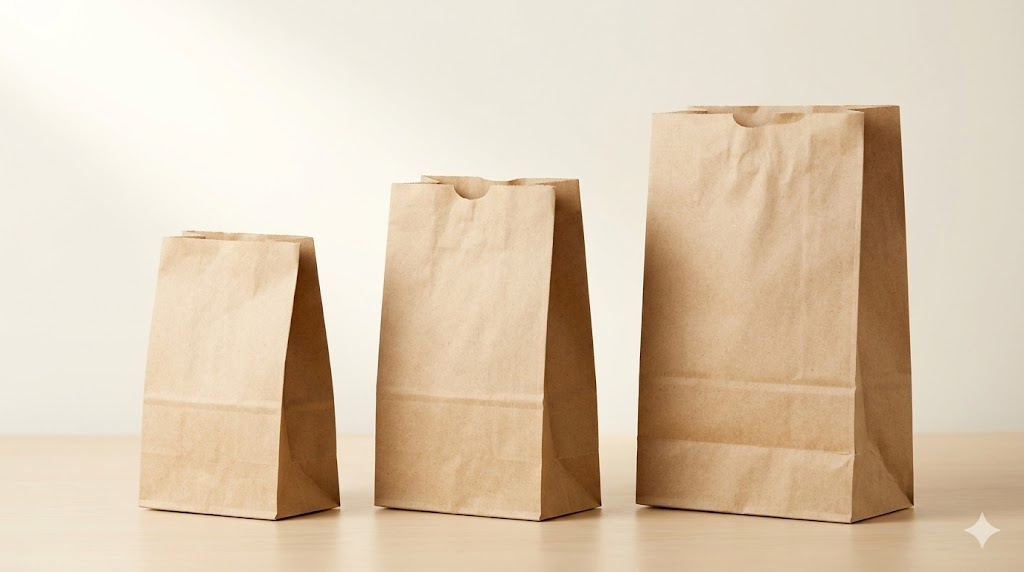
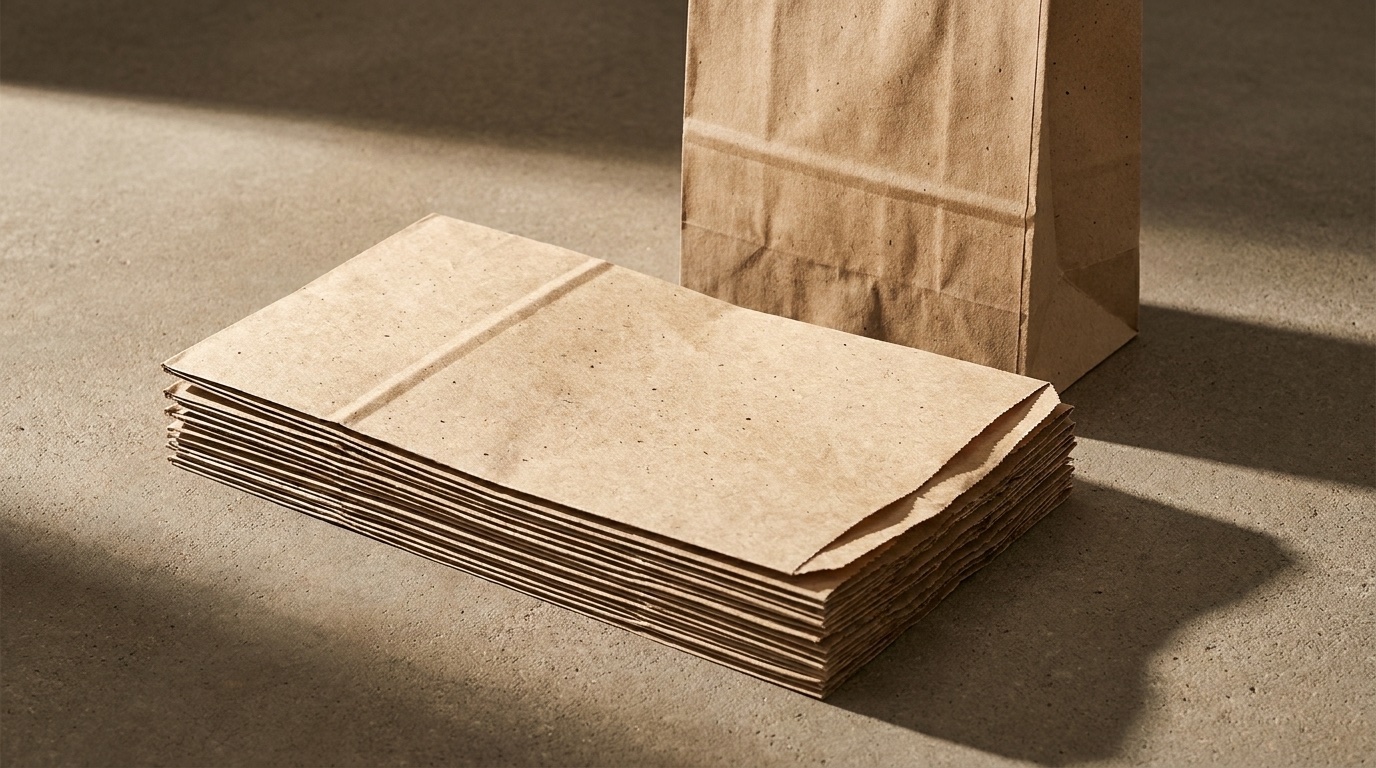
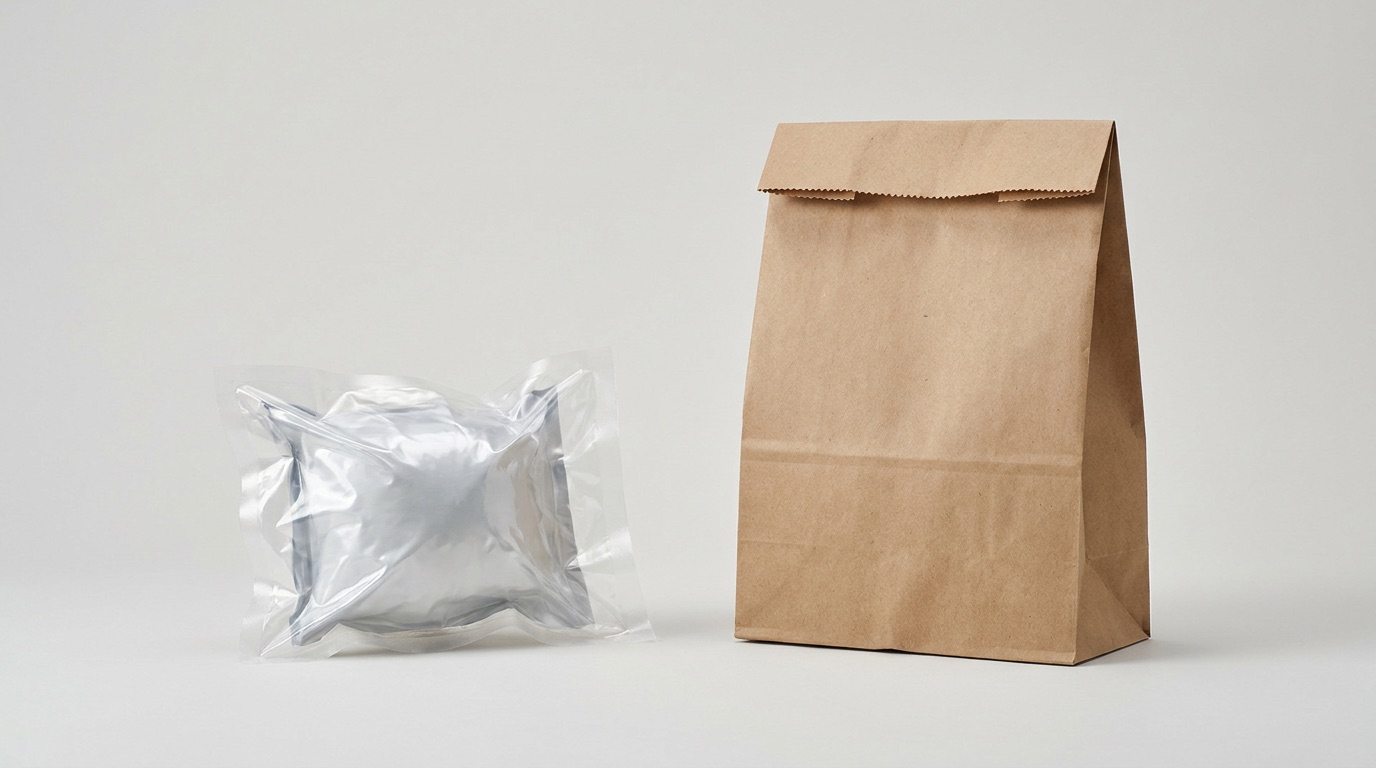
At first glance, hemp paper packaging can seem pricier—current costs range from $0.10 to $0.30 per unit for small runs, compared to $0.05 to $0.20 for tree pulp equivalents. But here’s the pivot: hemp’s efficiency kicks in with volume. Producing hemp paper requires up to 45% less energy and 38% less overall resources than wood pulp, thanks to its natural strength needing fewer chemicals.

At a scaling threshold of around 10,000 tons annually, hemp could achieve cost parity or better, potentially dropping to $1,200 per ton versus $1,500 for wood pulp, driven by faster growth and higher yields per acre. Extrapolate this: switching just 5% of the global paper market to hemp could save billions in production expenses, factoring in reduced deforestation costs and carbon taxes—estimates suggest up to $20 billion annually when including efficiency gains.

For more on hemp vs. wood pulp costs, check this detailed comparison Hemp vs Pulp – Are We Consuming Pulpwood?.

Land Mass for Transformation

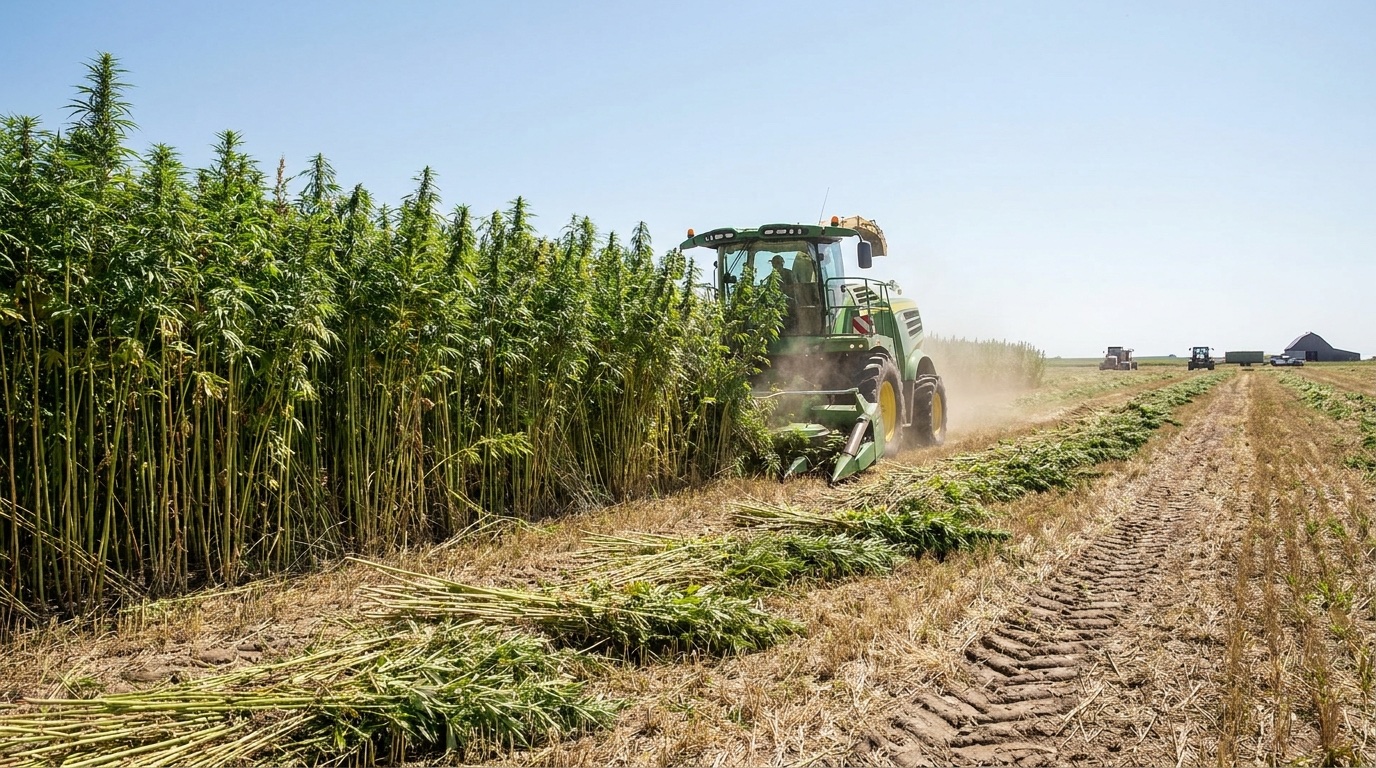
To truly terraform with hemp—replacing petroleum-dependent fibers across paper, textiles, and plastics—we’d need strategic land allocation. Global paper production relies on vast forests, but hemp could cover equivalent output on far less: one acre of hemp yields as much paper as four acres of trees. For full transformation—aiming for 20% of the $1.2 trillion fiber market—hemp would require about 100 million acres worldwide, less than 1% of arable land, clustered in rotations to restore soil.

This isn’t sprawl; it’s precision—maximizing every part means seeds for food (up to 30% protein), hurds for biofuels, and bast for fibers, turning one harvest into multiple revenue streams with zero waste.

Explore land efficiency further in this analysis One acre of hemp = four acres of trees.

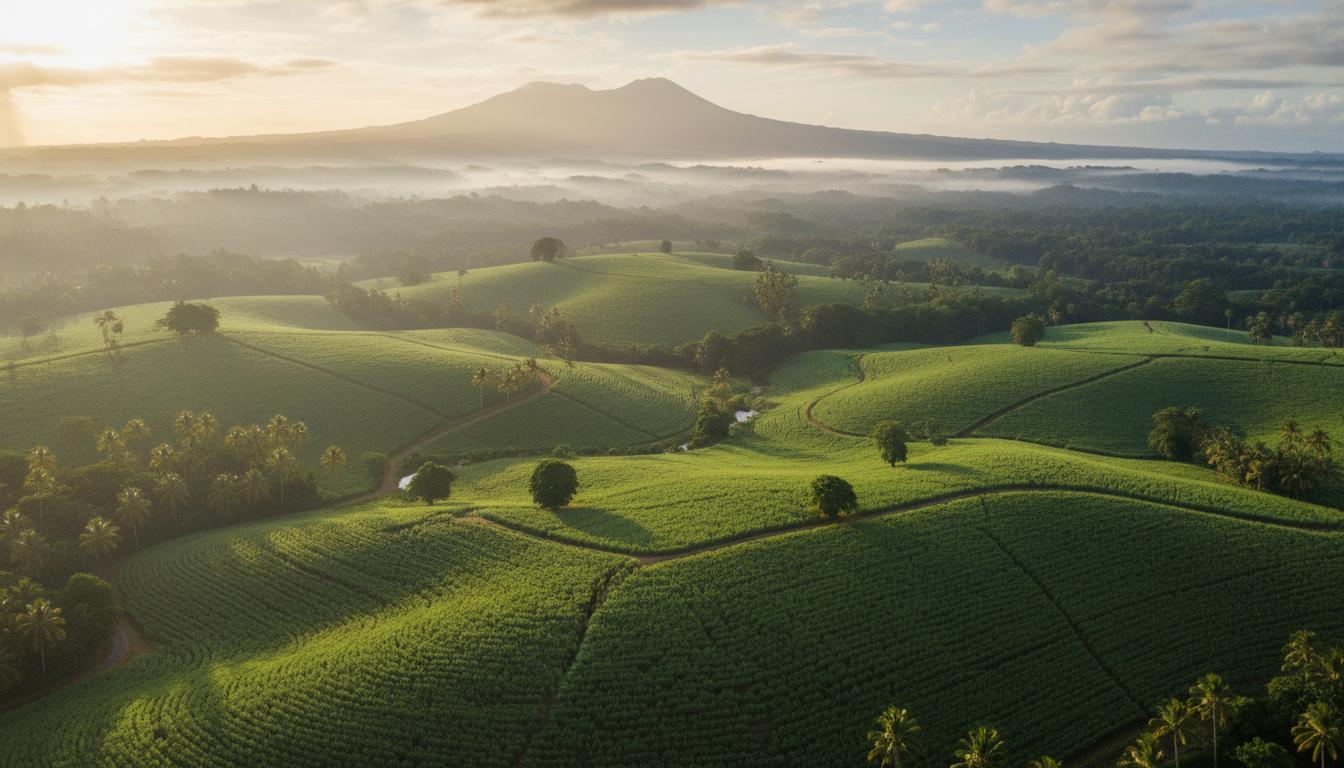
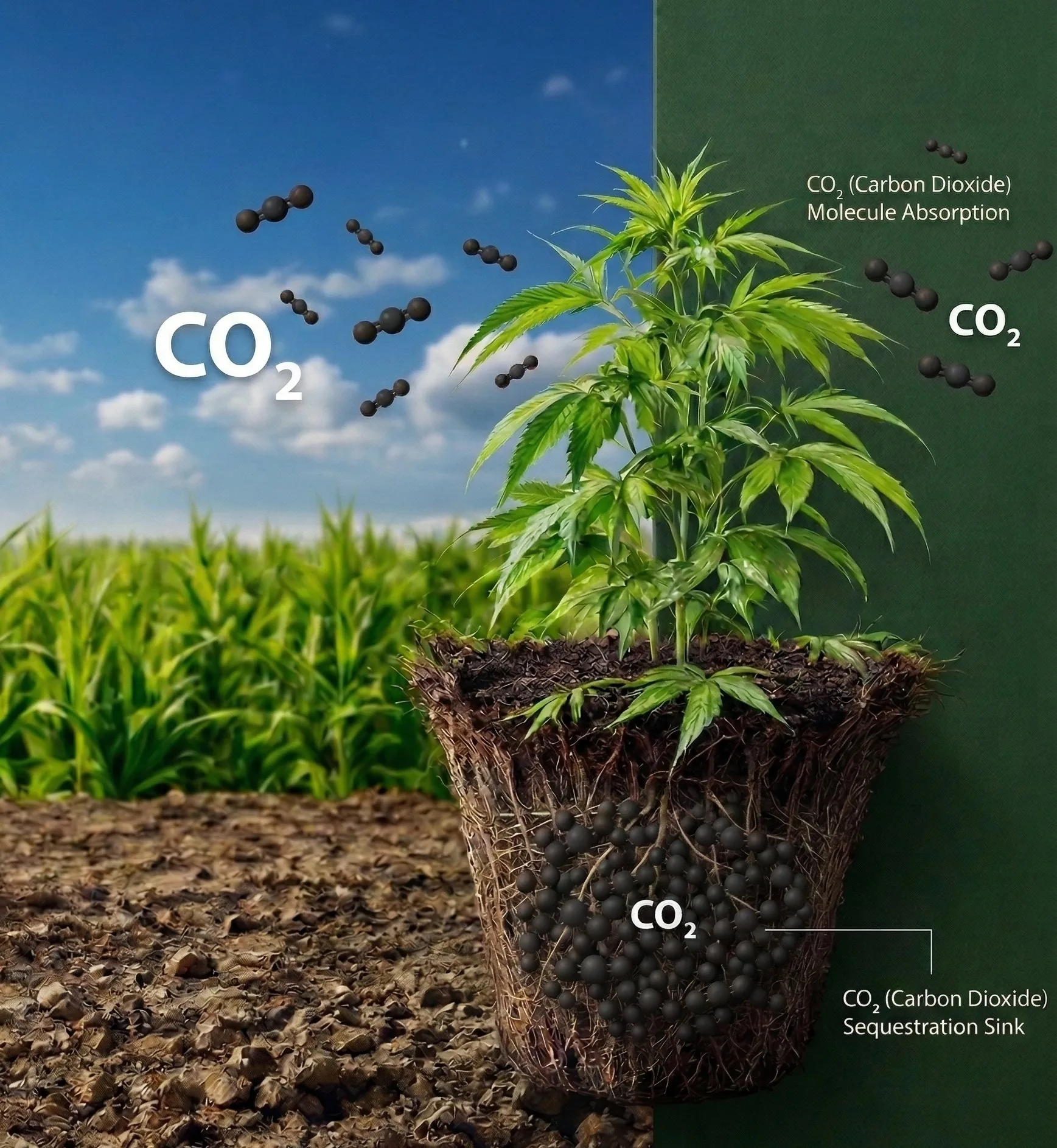
Landmass for hemp vs trees
Hemp requires significantly less landmass to make the same amount of paper.

Global Investment: The Tipping Investment

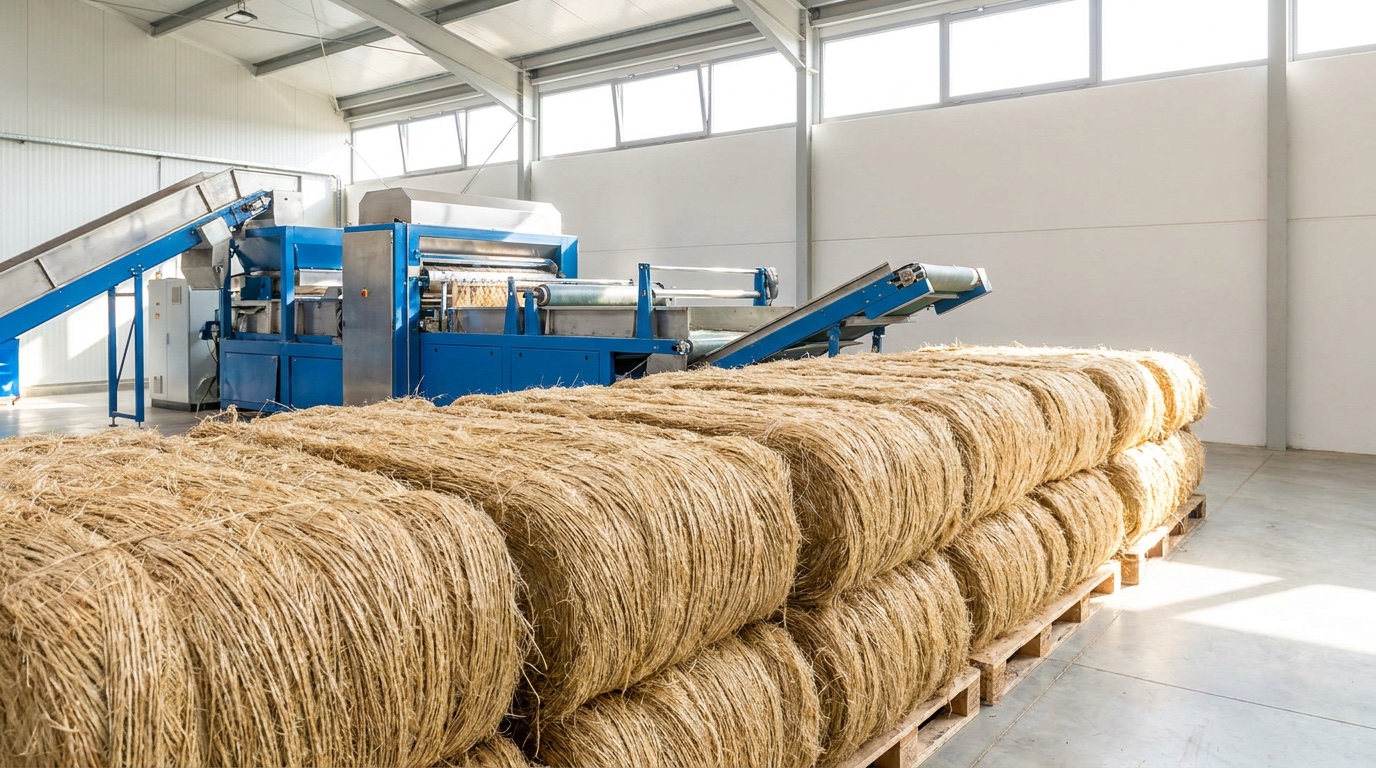
The upfront bill? To scale hemp infrastructure—mills, processing tech, and farms—for planetary impact, estimates peg $500 billion over a decade, blending public-private funds like the EU’s $10 billion hemp initiatives and U.S. Farm Bill subsidies. But returns compound: at 10 million tons of fiber annually, profits could hit $200 billion, offsetting costs by year five through diversified outputs—paper at scale 20% cheaper, plus $50 billion from byproducts like biofuels.

Extrapolating outward, full adoption across sectors could generate $1 trillion in savings by 2040, flipping petroleum’s $3 trillion grip into a hemp-driven economy.

This isn’t fantasy; it’s the subtle math of outliers aligning. Hemp’s zero-waste model—every element monetized—unlocks a future where sustainability pays dividends. The question isn’t if we can afford it, but what happens when we do.

Global Investment: The Tipping Investment

The upfront bill? To scale hemp infrastructure—mills, processing tech, and farms—for planetary impact, estimates suggest around $78 billion over a decade for next-gen materials, with hemp-specific initiatives like the EU’s $10 billion push showing the way. But returns compound: at 10 million tons of fiber annually, profits could reach hundreds of billions, offsetting costs by year five through diversified outputs—paper at scale 20% cheaper, plus value from byproducts like biofuels.

Extrapolating outward, full adoption across sectors could generate up to $1 trillion in savings by 2040, flipping petroleum’s $3 trillion grip into a hemp-driven economy.

For investment insights, see this report on scaling hemp Global Hemp Fiber Market to Surpass USD 36 Billion by 2030.

This isn’t fantasy; it’s the subtle math of outliers aligning. Hemp’s zero-waste model—every element monetized—unlocks a future where sustainability pays dividends. The question isn’t if we can afford it, but what happens when we do.

For more details, visit: www.hemppaperco.com